Last week, the Indian government asked e-commerce companies to stop 10-minute deliveries – drawing the curtain on a much-trumpeted promise by start-ups to provide groceries, food, grooming and even home repair services at lightning speeds in India.
The diktat follows a New Year’s Eve strike by some 200,000 gig workers that pitted start-up founders and venture capitalists against politicians, trade unions and delivery workers over demands that ranged from minimum wages to a ban on the 10-minute promise.
The striking workers also asked for more transparency in wage calculation and an end to what they allege is arbitrary algorithmic control of things like ratings and even contract termination.
Armies of men and women – but mostly men – speeding through traffic to deliver parcels, come rain or sun, have become a common sight on the roads of Mumbai, Delhi and other Indian cities since the pandemic.
Millions of households are now used to the convenience of quick doorstep deliveries booked through digital apps, with platforms such as Zomato, Swiggy, Blinkit and Instamart becoming integral to urban commerce in Asia’s third largest economy.
While the striking workers – who form the backbone of these apps – are bargaining for better, safer working conditions, platforms argue that over-regulation will kill an industry that is possibly the fastest growing segment of the Indian labour market. India’s gig workforce is 12 million strong and expected to double to 24 million by the end of this decade.
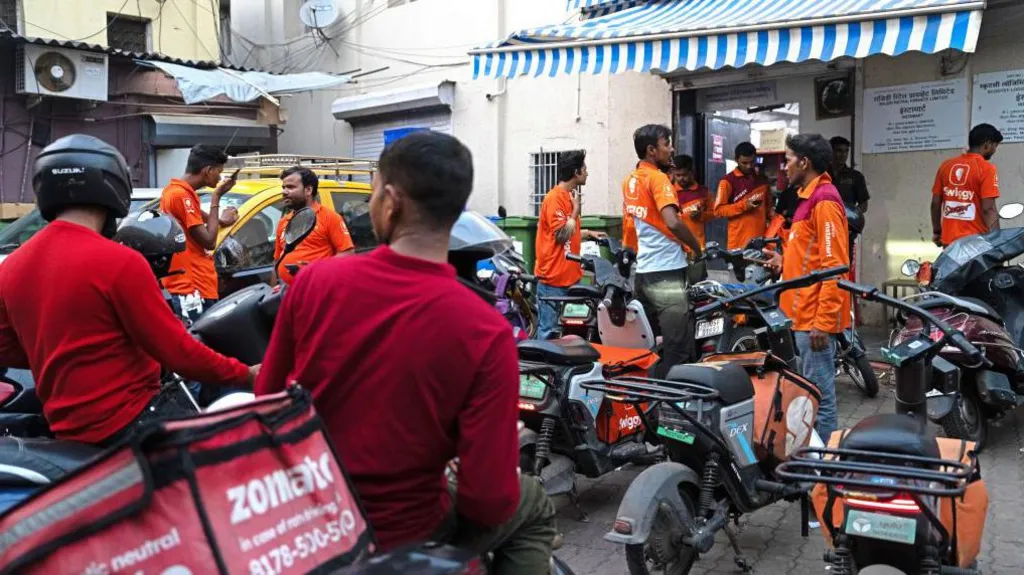
The workers’ strike on the last day of 2025, and the ban on 10-minute deliveries – although not yet fully in place – come even as the government is all set to implement new rules that bring gig work under the ambit of labour laws for the first time. A new code set to come into effect this year has brought in, among other things, insurance coverage and social security protections for workers who clock 90 days on the platforms every year.
All of this puts new burdens on delivery apps that have thrived on light-touch regulation and cheap labour so far. Their stock prices have plunged – Swiggy is down some 15% in the last month, and Eternal, which owns Zomato and quick-commerce company Blinkit, is trading flat – as operating costs and pressures from the unions build up.
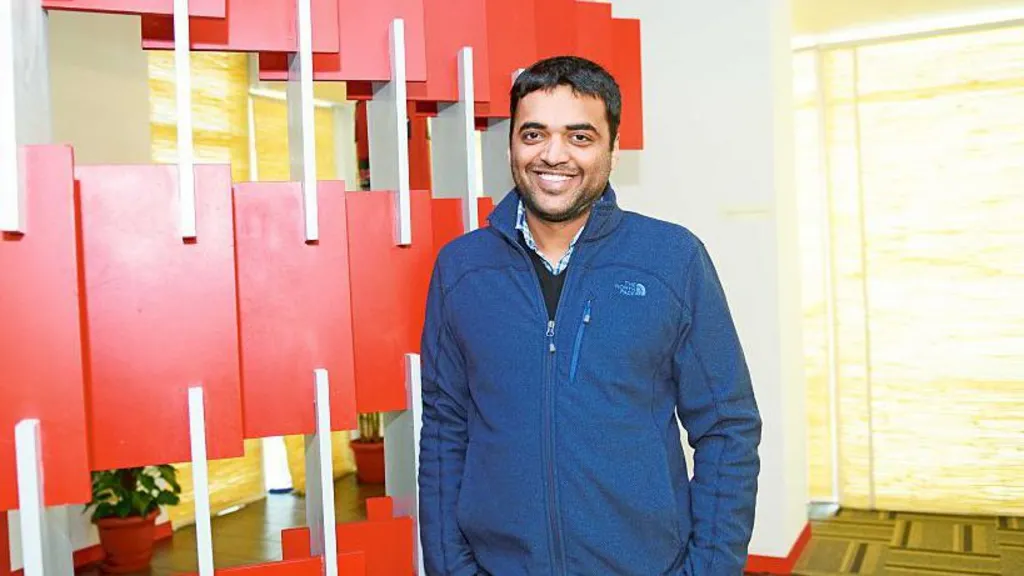
With investors spooked and some opposition politicians strongly backing the strikes, gig platform founders such as Eternal boss Deepinder Goyal have been forced to go into firefighting mode.
In a series of posts on X earlier this month, Goyal defended the resilience of his platforms, saying that Zomato and Blinkit delivered 75 million orders to 63 million customers on New Years’ Eve – “a record pace” unaffected by the striking workers who he called “miscreants”.
He also dismissed criticism that the 10-minute delivery model was unsafe, saying riders were able to meet the timeline not because of reckless speeding, but because of the density of dark stores (warehouses) that platforms had invested in.
“If a system were fundamentally unfair, it would not consistently attract and retain so many people who choose to work within it,” Goyal said, providing a stream of data to highlight how millions were benefitting from the app he had founded in a country where jobs were hard to come by.
According to Goyal, platforms like his already offer a range of social security protections, from insurance to period rest days and access to pension schemes. Most delivery workers, he said, work only for a few hours a day, and a few days in a month. The attrition rate is at 65% a year, indicating this is not a permanent job for many, and thus couldn’t come with the benefits of full-time work.
Moreover, if someone committed to working full time, they would earn around 21,000 rupees (£173, $232) plus tips in a month – a far better wage than what those employed in India’s vast informal blue-collar economy or even entry-level formal workers get, Goyal argued.
Critics, however, are not convinced. They say these numbers mask hidden social and economic costs imposed on delivery workers – such as onboarding expenses, the money they have to spend on their own uniforms, vehicles and fuel.
They also say the incentive structures adopted by the apps reward speed, penalise delays or refusals of orders, and encourage working conditions that offer hardly any flexibility to workers without compromising on their ability to earn well.
Goyal’s assertion that the system is fair because it attracts so many people is also fundamentally flawed, say experts.
“Such work often represents economic desperation rather than genuine choice,” according to Kasim Saiyyad, a PhD candidate from Cornell University who spent time as a delivery worker with a food delivery app for two months.
The debate has presented a conundrum for Indian policymakers and companies.
Gig work by definition is not permanent, but unlike in the West where it is considered a side hustle until people move to better jobs, in India it has come to become a full-time occupation for many, in the absence of stable employment in areas like manufacturing.
A recent survey by Primus Partners, a consulting firm, showed that around 61% of gig workers described themselves as full-time employees.
“Only about 35% say they are part-time, and a mere 4% are seasonal or occasional,” the report said, adding that many workers in their 20s described these jobs as long-term careers, despite only one out of four having insurance or pension benefits.
“Without structured pathways for advancement, there is a growing risk of creating a ‘missing middle’ – a large segment of the workforce that powers consumption but remains excluded from stability, protections and long-term economic mobility,” the report said, calling for better social protections, minimum wages and creating pathways to higher-skilled roles that pay better.
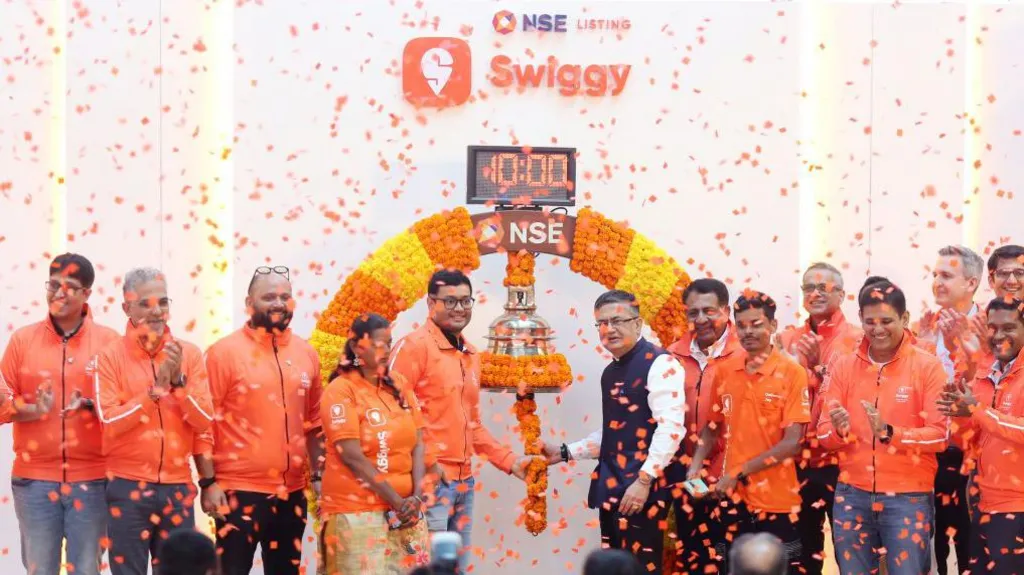
But gig platforms – many of whom have raised billions of dollars through private equity and public markets – are expectedly reluctant to budge.
They operate on wafer-thin margins as it is (2.5-4.5% on food delivery, and negative returns on groceries), according to estimates from HSBC research.
And profitability is expected to come under more pressure from the rise in welfare costs imposed by the new social security law.
“The uncertainty around strikes and inflationary pressures on costs because of higher incentives will make 2026 challenging for these apps,” Karan Taurani of Elara Capital told the BBC.
One union has already warned of more strikes if platforms don’t come forward for talks over their demands, while an opposition politician has vowed to take up the workers’ cause both inside and outside parliament.
Across the world, gig worker protections have strengthened in the past five years as pressures have mounted on platforms.
In 2021, a court in London ruled that Uber drivers were workers and entitled to minimum wages and holiday pay. Asian countries such as Singapore and Malaysia have also been rapidly enacting legislation to improve pay transparency and worker rights.
In India too, workers are unlikely to give up without a fight. And as this battle heats up, consumers may eventually be forced to shell out more for their daily deliveries.