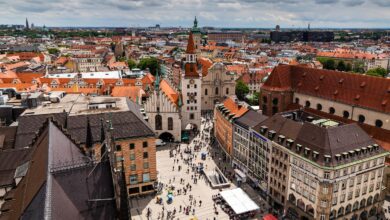
Here are global tourism trends to expect in the coming years.
The global tourism industry is once again on the move, reshaped by recent disruptions and redefined by changing traveller expectations.
Tourism today is no longer simply about getting from one place to another; it is about purpose, impact and personal meaning. As destinations and travellers adjust to new realities, several key trends are emerging that will define how the world travels in the near future.
One of the most significant trends is the rise of purpose-driven travel. Modern travellers increasingly want their journeys to mean more than just leisure. This includes cultural immersion, heritage exploration, volunteer tourism, wellness retreats and travel linked to learning or personal growth.
Tourists are asking deeper questions: How does my visit benefit local communities? What values does this destination stand for? Destinations that clearly articulate their social, cultural or environmental purpose are gaining a competitive edge.
Closely linked to this is the growing emphasis on sustainability and responsible tourism. Climate change, environmental degradation and over-tourism have pushed sustainability from a niche concern into the mainstream.
Travellers are paying attention to carbon footprints, plastic use, wildlife protection and ethical business practices. Airlines are experimenting with sustainable aviation fuels, hotels are adopting greener operations and destinations are introducing visitor caps or off-season incentives.
In the years ahead, sustainability will move from being a marketing slogan to a measurable expectation.
Another notable trend is the continued growth of domestic and regional travel. While international tourism remains important, many travellers have rediscovered the appeal of destinations closer to home.
Economic uncertainty, fluctuating airfares and geopolitical tensions have made shorter, more affordable trips attractive. This shift is encouraging destinations to invest more seriously in their local markets, tailoring experiences for residents and regional visitors rather than focusing exclusively on long-haul tourists.
Technology is also reshaping tourism in profound ways. Digital transformation now touches every stage of the travel journey – from inspiration and booking to navigation and post-trip sharing. Artificial intelligence is being used to personalise recommendations, manage customer service and predict travel patterns.
Virtual and augmented reality are enhancing museum visits and destination previews. Cashless payments and mobile apps have become standard expectations. For destinations and operators, digital visibility is no longer optional; if you are not easily discoverable online, you effectively do not exist.
The way people work is influencing how they travel, giving rise to remote work and “bleisure” travel—the blending of business and leisure.
With more flexible work arrangements, travellers are staying longer in destinations, working remotely while exploring new environments.
This trend has fuelled the popularity of so-called digital nomad destinations, prompting countries to introduce special visas and invest in reliable internet infrastructure. Tourism is increasingly intersecting with lifestyle choices rather than being confined to annual holidays.
Health and wellness tourism is another expanding segment. After years of global health anxiety, travellers are prioritising experiences that promote physical and mental well-being.
This includes spa retreats, yoga holidays, nature-based escapes and destinations known for tranquillity and clean environments. Even mainstream tourism products are incorporating wellness elements, from healthier food options to quieter, less crowded experiences.
Cultural authenticity is gaining renewed value. Travellers are showing less interest in generic, “one-size-fits-all” attractions and more curiosity about local stories, traditions and everyday life.
This has boosted demand for community-based tourism, local guides, culinary experiences, and creative tourism linked to art, music, and crafts. Destinations that preserve and present their culture with integrity, rather than staging artificial performances, are likely to attract more discerning visitors.
At the same time, the industry is grappling with overtourism and destination management. Popular cities and landmarks are struggling with congestion, rising living costs and resident dissatisfaction.
In response, some destinations are introducing tourist taxes, reservation systems, or limits on short-term rentals.
The future of tourism will place greater emphasis on managing visitor flows, dispersing tourists geographically and seasonally, and ensuring that tourism enhances rather than overwhelms host communities.
Safety and resilience have also become central considerations. Travellers are more alert to political stability, health systems, natural disasters, and emergency response capacity.
Destinations that communicate clearly, manage crises transparently and demonstrate preparedness are more likely to maintain traveller confidence. Risk awareness has become a permanent feature of travel decision-making.
Finally, storytelling and branding are evolving. In a crowded global marketplace, destinations are competing not just on attractions, but on narratives.
Successful tourism brands are those that tell coherent, emotionally resonant stories – about history, creativity, resilience or innovation. Social media has amplified the power of individual travellers as storytellers, making authenticity and consistency more important than glossy campaigns.
Taken together, these trends point to a tourism industry that is more thoughtful, more complex and more interconnected with broader social and economic issues.
The future traveller is informed, values-driven and digitally connected. Destinations that listen carefully, adapt intelligently and plan sustainably will be best positioned to thrive. Tourism’s next chapter will not be defined solely by numbers but by quality – of experience, of impact and of connection.