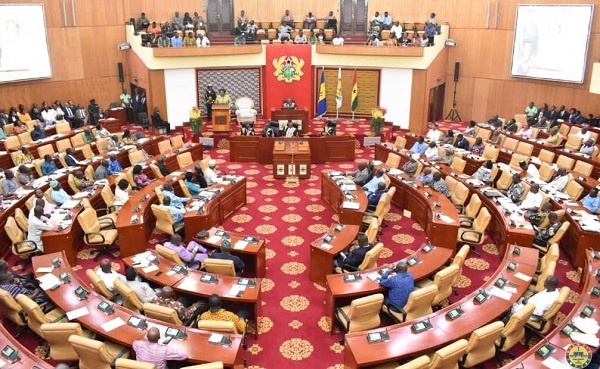
MPs push to bar candidates above 65 from Parliament.
Two Members of Parliament have introduced a Private Members’ Bill seeking to amend Article 94 of the 1992 Constitution to set a maximum age limit of 65 for contesting parliamentary elections.
The sponsors of the bill are Hajia Zuwera Ibrahimah, National Democratic Congress MP for Salaga South, and Ohene Kwame Frimpong, New Patriotic Party MP for Asante Akyem. They argue that the proposed amendment is necessary to align parliamentary eligibility with evolving governance demands and demographic realities.
Proposal seeks to modernise eligibility criteria
The object of the bill is to amend Article 94 to introduce a maximum age requirement for qualification and eligibility as a Member of Parliament, alongside provisions for related matters.
The MPs contend that the reform will modernise parliamentary standards in line with institutional performance considerations and democratic renewal principles.
“By introducing a reasonable maximum age requirement, Ghana will reinforce accountable governance while promoting intergenerational equity and sustainable political leadership,” they said.
The draft bill was submitted to the Clerk to Parliament on March 10, 2026.
Rationale for age cap
Explaining the policy basis, the two MPs noted that while Article 94 of the Constitution sets 21 years as the minimum age for parliamentary candidates, it does not provide for a maximum age limit.
They argued that changing governance dynamics, demographic shifts and the need for enhanced accountability justify a review of the existing framework.
“Parliamentary duties require sustained physical stamina, cognitive agility and responsiveness to complex policy challenges including digital transformation, climate change and global economic integration.”
They added that a defined upper age threshold would help improve legislative performance and reduce risks associated with age-related incapacity.
“A reasonable maximum age threshold will promote sustained performance standards in legislative duties, reduce risks associated with age-related incapacity and encourage structured leadership transition within Parliament. This aligns with international best practices in institutional capacity-building,” it said.
Focus on youth inclusion
The MPs also emphasised the need to reflect Ghana’s youthful population in its legislative representation. They cited demographic trends indicating that a significant proportion of the population is under the age of 35.
They believe the proposed reform will create opportunities for younger leaders, improve generational balance and enhance democratic legitimacy.
“This reform complements youth empowerment frameworks and national development strategies,” they said.
Ensuring leadership renewal
According to the sponsors, periodic leadership renewal is essential for a healthy democracy. They argue that introducing an age cap will discourage indefinite occupation of parliamentary seats, while encouraging mentorship and succession planning.
“Institutional renewal is a recognised principle of democratic sustainability,” they said.
They further noted that mandatory retirement ages already exist in other public institutions, including the civil service, judiciary and security services, and that aligning parliamentary eligibility with such norms would promote coherence in governance.
Expected outcomes
If passed, the MPs say the amendment will improve generational balance in Parliament and enhance legislative responsiveness.
“It will strengthen public confidence in democratic institutions and institutionalise orderly leadership transition,” they said.